Product Description
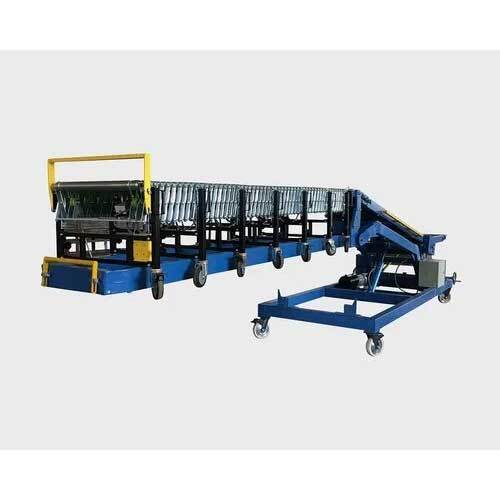
Types of Loading Conveyors:
- Belt Conveyors: These are the most common, using a continuous belt to carry materials horizontally or inclined. They're versatile and handle various materials, from boxes to bulk goods.
- Roller Conveyors: These use rollers to move materials on a level surface. They're ideal for lighter loads and require minimal maintenance.
- Chain Conveyors: These use chains to pull materials along a track. They're suitable for heavy loads and uneven surfaces but can be noisy and require more maintenance.
- Screw Conveyors: These use a rotating screw to move materials in a tube. They're ideal for bulk materials like grains or powders.
Applications of Loading Conveyors:
- Warehouses: For loading and unloading trucks, transporting goods within the facility, and assembling orders.
- Manufacturing: For moving parts between processes, feeding production lines, and packing finished products.
- Construction: For transporting concrete, aggregates, and other materials on construction sites.
- Mining: For moving ore, coal, and other minerals from mines to processing facilities.
- Agriculture: For conveying crops, grains, and other agricultural products during harvesting and processing.
Choosing the Right Loading Conveyor:
Several factors need to be considered when choosing a loading conveyor system:
- Material type and weight: Ensure the conveyor can handle the specific material and its weight without overloading.
- Capacity and throughput: Determine the required speed and volume of material you need to move.
- Distance and incline: Consider the distance the material needs to travel and any inclines or declines.
- Space constraints: Choose a system that fits your available space and integrates with existing infrastructure.
- Budget: Compare the costs of different systems and their long-term maintenance requirements.
Additional Information:
- Safety features like emergency stops and overload sensors are crucial for safe operation.
- Regular maintenance is important to ensure the conveyor's lifespan and performance.
- Technological advancements like automated controls and smart sensors are improving efficiency and safety.








 Send Inquiry
 Send Inquiry
 Send SMS